 Kasim LeskoVIEW PROFILE →
F1's Great Reset: How 2026's New Rules Reshaped the Grid and Handed Mercedes the Advantage
The 2026 Formula 1 season brought the sport's biggest regulation overhaul in years, with new hybrid power units, lighter cars and 'Active Aero' replacing DRS. Halfway through, Kimi Antonelli and Mercedes are leading a wide-open title fight.
Every so often a single season redraws the entire map of a sport, and in 2026 that season has arrived for Formula 1. Coverage this year has ranged across football transfers, the baseball pennant race and the NFL kickoff, but no story in the sporting world has been more transformative than the sweeping technical revolution that has reshaped the pinnacle of motorsport from the ground up.
The 2026 campaign marks the biggest regulation overhaul Formula 1 has seen in years, touching almost every element of the cars, from the engines that power them to the aerodynamics that define how they race. For teams, drivers and fans alike, it has been a reset button pressed on a decade of established assumptions, scrambling the competitive order in the process.
A new era of power units
At the heart of the changes lies a new generation of power units that place far greater emphasis on the electrical side of the hybrid system. Under the 2026 rules, roughly half of the car's power now comes from electrical energy and half from the internal combustion engine, with the units also running on Advanced Sustainable Fuels in a major push toward greener racing.
The technical detail underlines just how significant the shift is. The new MGU-K, the component that recovers and deploys electrical energy, is nearly three times as powerful as its predecessor, delivering 350 kilowatts to the rear wheels, up from 120 kilowatts. The 1.6-litre V6 turbo engine survives, but the complex MGU-H, which recovered energy from exhaust heat, has been removed entirely.
This rebalancing toward electrical power has forced teams to rethink how they build and deploy energy across a lap. Managing the vastly more powerful electrical system without running out of deployment on long straights has become one of the defining strategic challenges of the new era, rewarding clever engineering as much as raw horsepower.
Lighter, nimbler cars and Active Aero
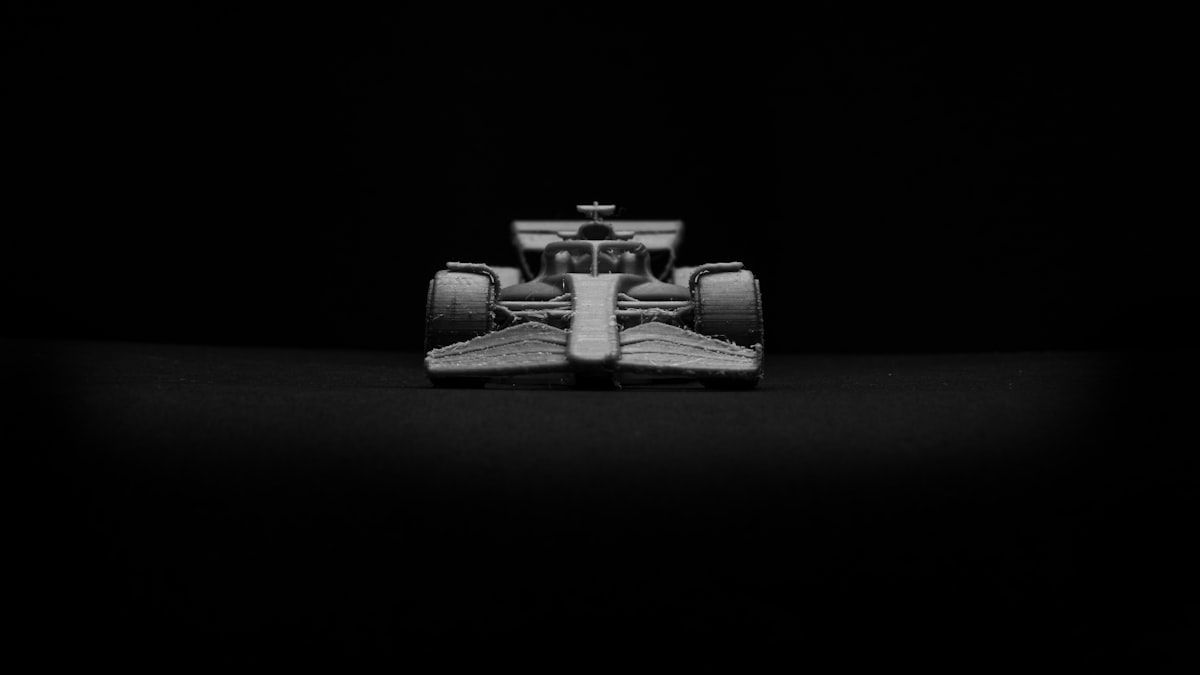
The transformation is not limited to the engines. The 2026 regulations usher in more agile machines that are a full 30 kilograms lighter than their predecessors, with the minimum weight cut from 798 kilograms down to 768 kilograms, a meaningful reduction in a sport where every kilogram matters for cornering and acceleration.
The dimensions have shrunk too, with the cars featuring a wheelbase that is 200 millimetres shorter and a floor that is 100 millimetres narrower. Together these changes are designed to produce nimbler, more responsive cars that are less unwieldy through corners than the increasingly large machines of recent seasons.
Perhaps the most visible change for viewers is the retirement of the familiar DRS overtaking aid, replaced by a new system called Active Aero. This features active front and rear wings that adjust their angle depending on where the car is on the track, fundamentally altering how drivers attack, defend and manage straight-line speed.
A wide-open title fight
Whenever the rulebook is torn up, the pecking order tends to shuffle, and 2026 has been no exception. Mercedes has emerged as the team setting the pace at the front of the field, having apparently interpreted the new regulations more effectively than several of its long-established rivals in the crucial opening months of the season.
The standout story has been the rise of Andrea Kimi Antonelli. After the Dutch Grand Prix, round 12 of 23, the young driver led the 2026 Drivers' Championship with 242 points, a commanding 59 points clear of his experienced Mercedes teammate George Russell, while Mercedes topped the Constructors' standings with 425 points.
Yet the fight is far from settled. Mercedes, Ferrari, McLaren and Red Bull all remain central to the title battle, and with almost half the season still to run, the combination of a new rulebook and closely matched contenders promises a tense and unpredictable run to the finish across the remaining rounds.
What it means for the sport
Beyond the standings, the 2026 reset represents a statement of intent about the direction of Formula 1 itself. By leaning into electrification and sustainable fuels, the sport is attempting to stay relevant in an era of tightening environmental scrutiny, while betting that closer, more agile racing will keep audiences engaged.
The real verdict will come over the seasons ahead, once teams fully master the new machinery and the initial advantages even out. For now, though, 2026 stands as one of the most compelling chapters in recent Formula 1 history, a reminder that in motorsport, the biggest battles are often fought first in the rulebook and only later on the track.